
Painting
The works gathered in Painting offer a miniature survey of the state of contemporary artmaking today. Working across still life, landscape, portraiture, and abstraction, these artists inherit and variously unsettle art-historical conventions. Like those of her forebears, Min Kyung Cho’s pearlescent plums and vibrant lemons both capture and refract the light, while Mark Flake’s claustrophobic tablescape, where branded cereal boxes and video cassettes abut classical busts and elegant botanical arrangements, feels resolutely modern: a latent critique of unchecked capitalism.
Landscape, too, is charged with competing temporalities. Julie Dreier’s mountainscape, swathed in lupines, idealizes the sublime drama of the American West, and Symmes Gardner’s white clapboard chapel recalls a pastoral imaginary of an older way of life. Meanwhile, Jack Snowden’s meticulously rendered scenes, in which an octopus blends into a mossy tree, and a frog appears in a looking glass propped against a rocky ridge, evoke a surrealism that registers the unreality of climate collapse. A similar sense of underlying dread animates Audrey Lee’s ornate vanitas paintings, where a lavishly dressed female figure picnics and plays violin beside a skeleton, the enduring manifestation of our ensuing mortality. In Steve Jensen’s mixed-media assemblage, a boat presumably crossing the river Styx is filled with translucent skulls, and a ghostly handprint, as though pressed against frosted glass, floats overhead. Heidi Brueckner similarly tests the boundary of the painted surface, using fabric, paper, and bubble mailer to lift her technicolor subjects into shallow relief.
Elsewhere, the pressure is socio-political. Myra Eastman’s mural-scale canvases layer vignettes of protests and ICE arrests, mirroring the frantic simultaneity of our internet age. Sean Renkert translates a comparable intensity into a dense field of fevered brushwork, fluorescent colors, and intermittent text. By contrast, other abstractions like Catalina Novac’s rosy skies, Katrina Lyon-Smith’s aquatic meditation, and Kim Sawula’s luminous indigo-teal-violet gouache appear almost remedial, a soothing reprieve from the chaos outside.
The theorist Leo Bersani championed art that was dedicated to discovering our “at-homeness in the world.” He imagined that, by seeing ourselves as harbored within the world, we might come to feel that the world cares for us in return. In these paintings, I see my own anguish, hope, desire, fear, hunger, ambition, and joy, and feel, if only briefly, less alone—and yes, a little more at home.
—Tara Anne Dalbow
If you are interested in purchasing any of the artwork in this exhibit please contact L7 Gallery for availability and pricing.
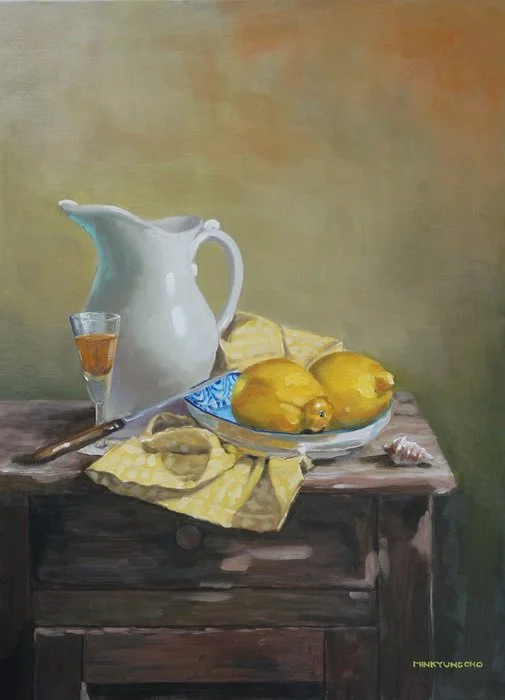
Min Kyung Cho
Rustic Elegance
oil on canvas
28.6 x 20.9 in.
![Audrey Lee
Shall I Compare Thee to a Summer’s Day?
[1st prize]
oil
72 x 72 in.](https://images.squarespace-cdn.com/content/v1/685b0dd4337a237d716f78cc/53c21f3d-3f1d-486e-baf9-1dca812cfffc/6543524.jpg)
Audrey Lee
Shall I Compare Thee to a Summer’s Day?
[1st prize]
oil
72 x 72 in.
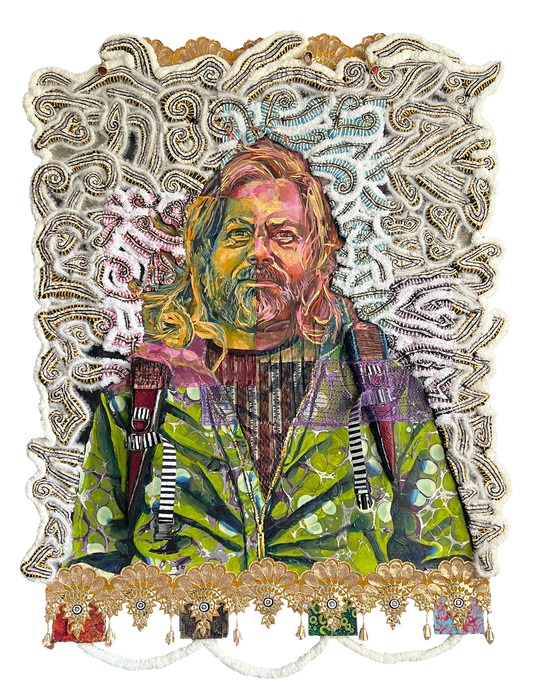
Heidi Brueckner
The 7th Coming of the Technicolor Dream Clouds
oil, yarn, fabric, paper, and mixed media on upholstery
48 x 36 in.
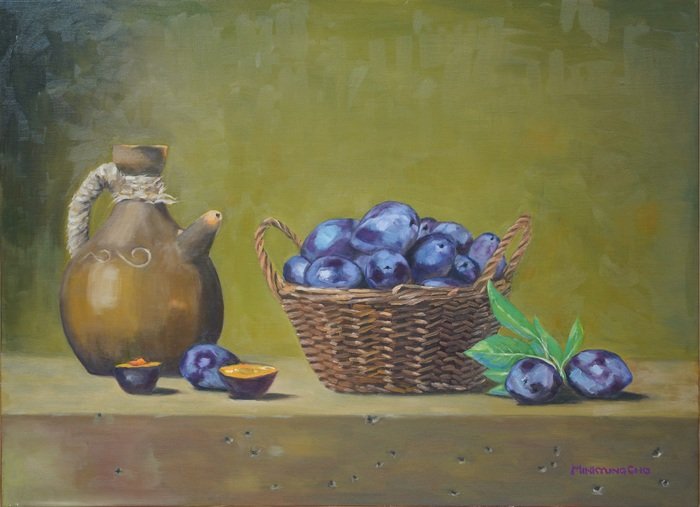
Min Kyung Cho
Harvest Bounty
oil on canvas
20.9 x 28.6 in.
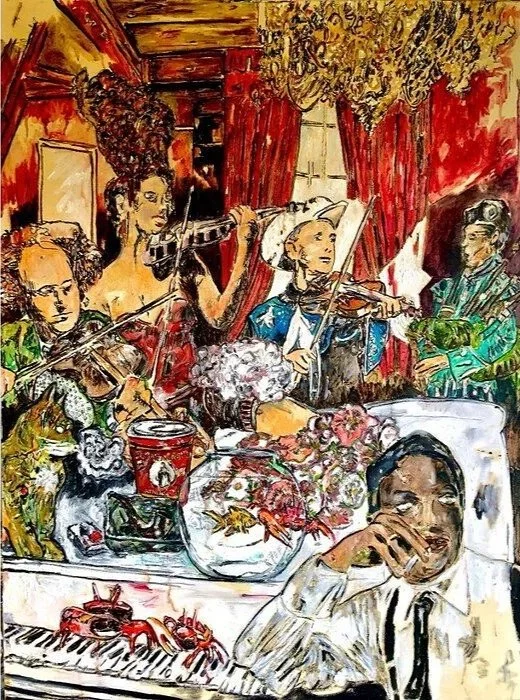
Mark Flake
King Cole
oil on canvas
48 x 36 in.
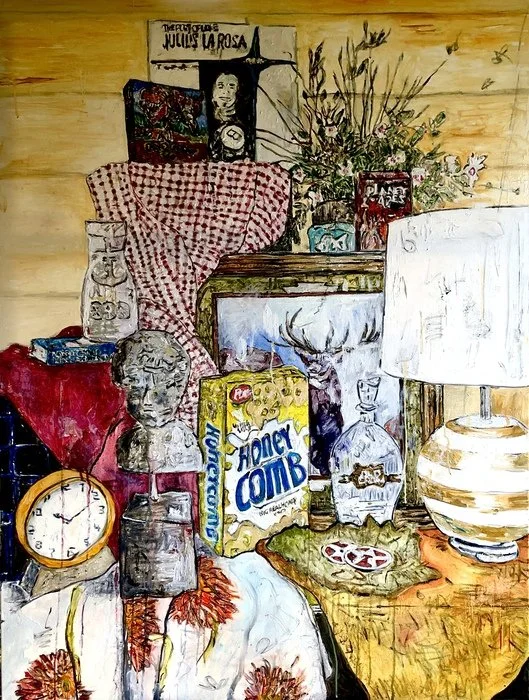
Mark Flake
Honeycomb
oil on canvas
48 x 36 in.
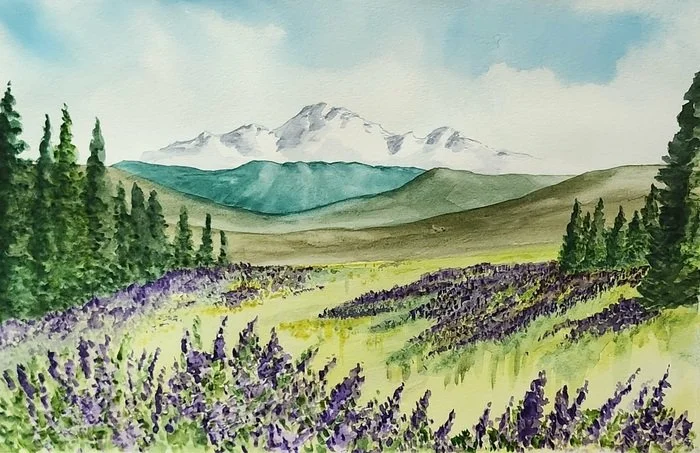
Julie Dreier
Olympic Lupines
watercolor
18 x 24 in.
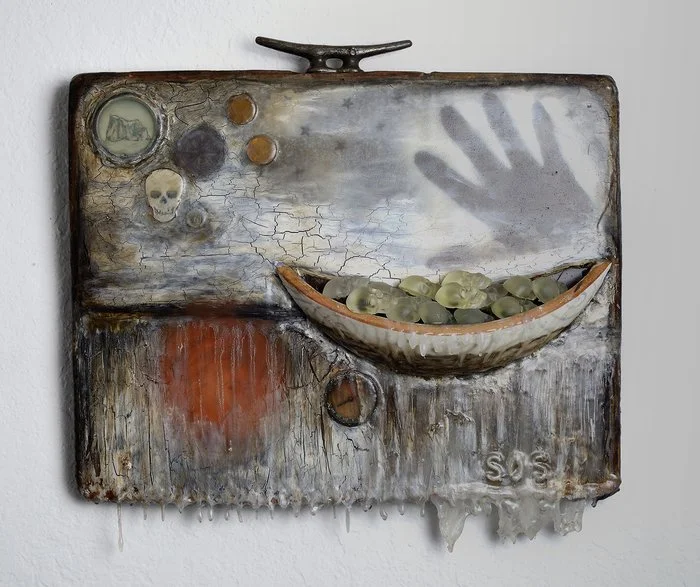
Steve Jensen
S.O.S.
oil and mixed media on wood
18 x 20 in.
![Jack Snowden
Octopus and Porcupine
[3rd prize]
oil on canvas
48 x 42 in.](https://images.squarespace-cdn.com/content/v1/685b0dd4337a237d716f78cc/fdf771ef-1b9d-4b93-9074-1b8451515331/5852755.jpg)
Jack Snowden
Octopus and Porcupine
[3rd prize]
oil on canvas
48 x 42 in.
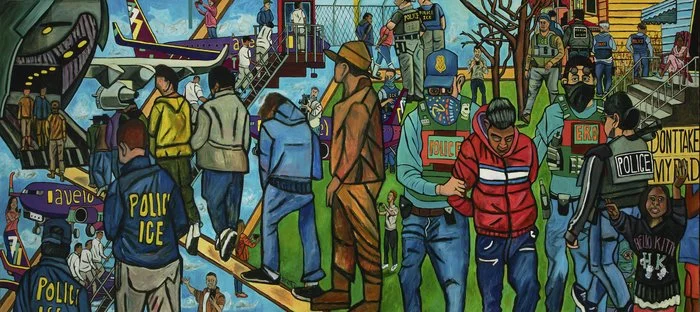
Myra Eastman
Don't Take My Dad
acrylic on canvas
48 x 108 in.
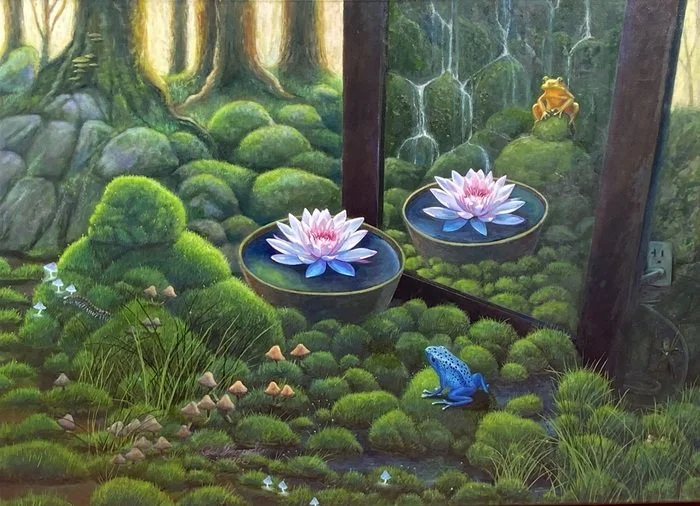
Jack Snowden
Frogs and Lotus
oil and ink on canvas
28 x 38.5 in.
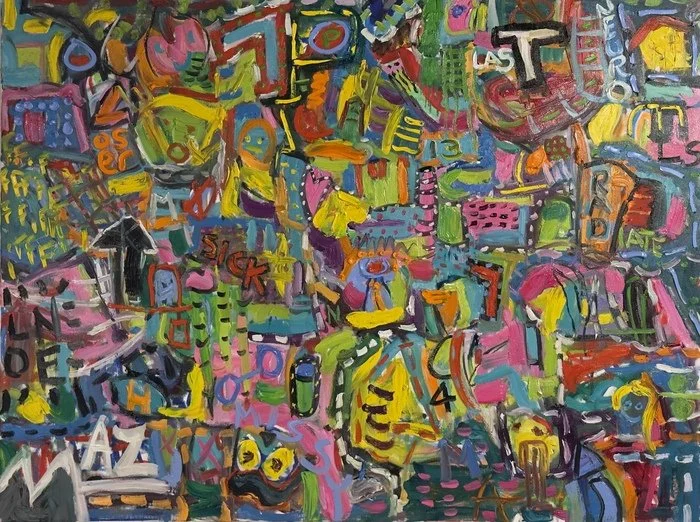
Sean Renkert
“Missy”
oil on canvas
36 x 48 in.
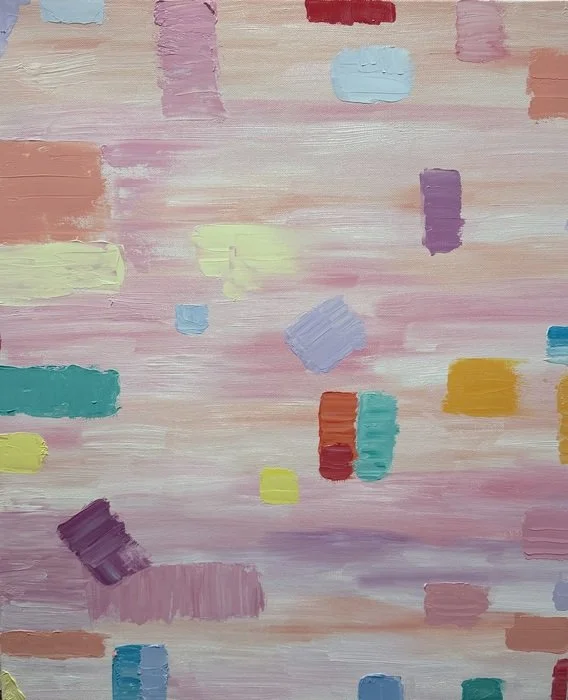
Catalina Novac
Bucurie (Joy)
canvas oil painting
20 x 24 in.
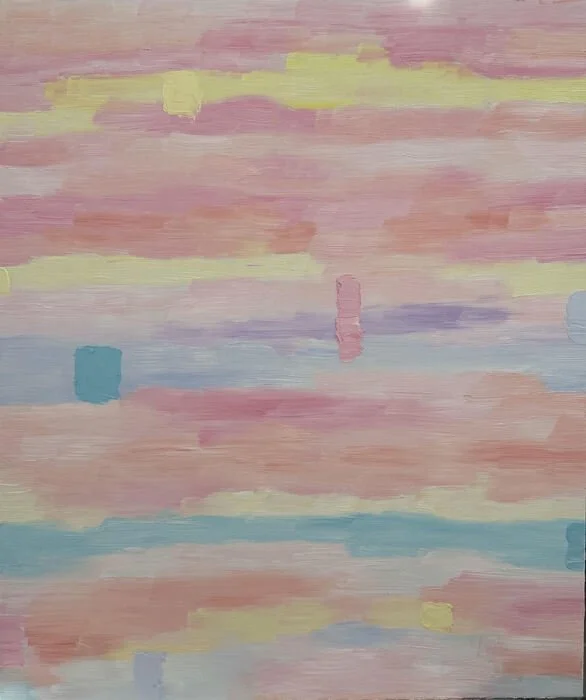
Catalina Novac
Away from the Storm
canvas oil painting
20 x 24 in.
![Kim Sawula
Two People Standing in a Field Talking
[2nd prize]
acrylic gouache
48 x 48 in.](https://images.squarespace-cdn.com/content/v1/685b0dd4337a237d716f78cc/dcd7e461-21fa-4c0d-a327-800b3f8e19a0/6524707.jpg)
Kim Sawula
Two People Standing in a Field Talking
[2nd prize]
acrylic gouache
48 x 48 in.
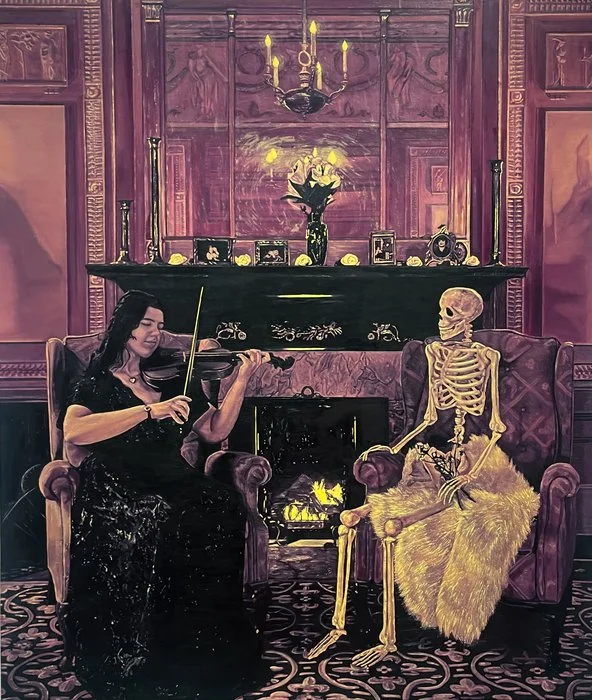
Audrey Lee
Swan Song
oil
84 x 72 in.
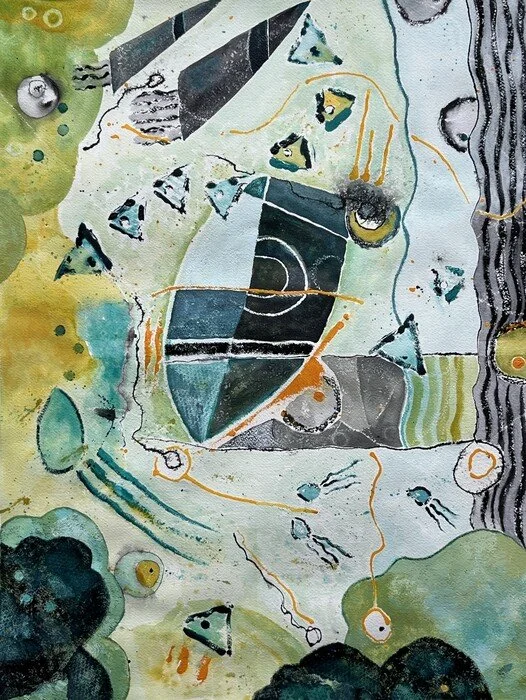
Katrina Lyon-Smith
Underwater Party
watercolor, gouache and ink
24 x 18 in.
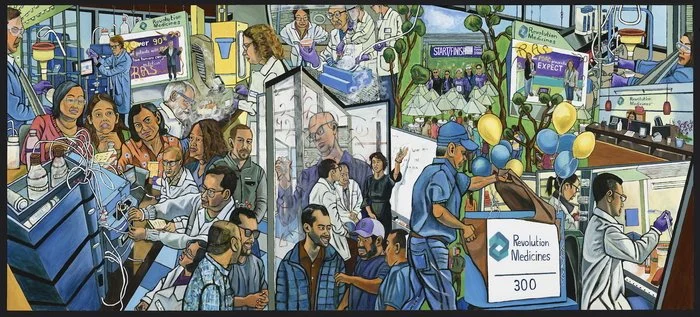
Myra Eastman
Revolucion Medicines
acrylic on canvas
48 x 108 in.
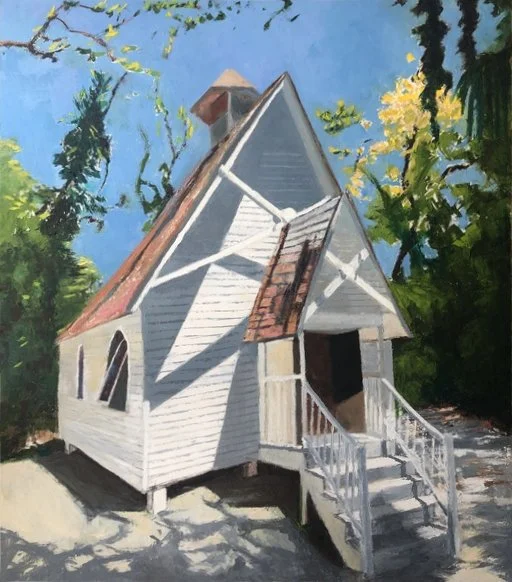
Symmes Gardner
Spanish Point
oil on canvas
48 x 42 in.
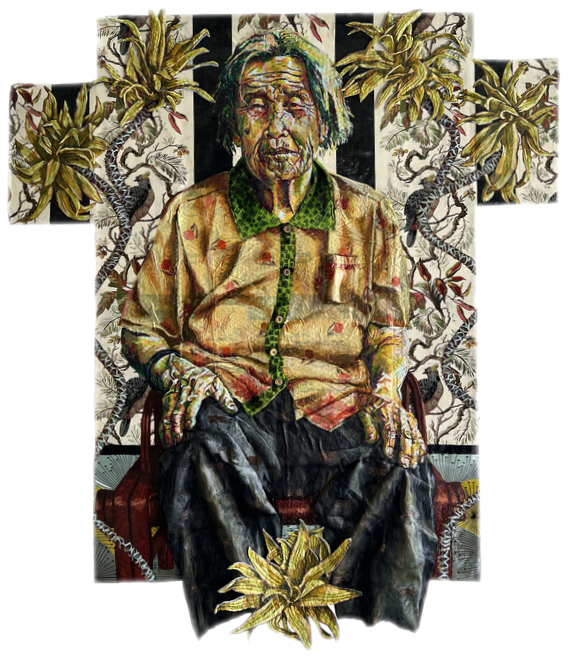
Heidi Brueckner
Dracena
oil, fabric, paper, and buttons on recycled bubble mailers
59 x 52 in.